
A Walking Tour of Saratoga Springs' Broadway Corridor
A block-by-block walking tour of the Broadway corridor in Saratoga Springs, from Congress Park to the City Center, with the shops, restaurants, architecture, and side streets worth a detour.

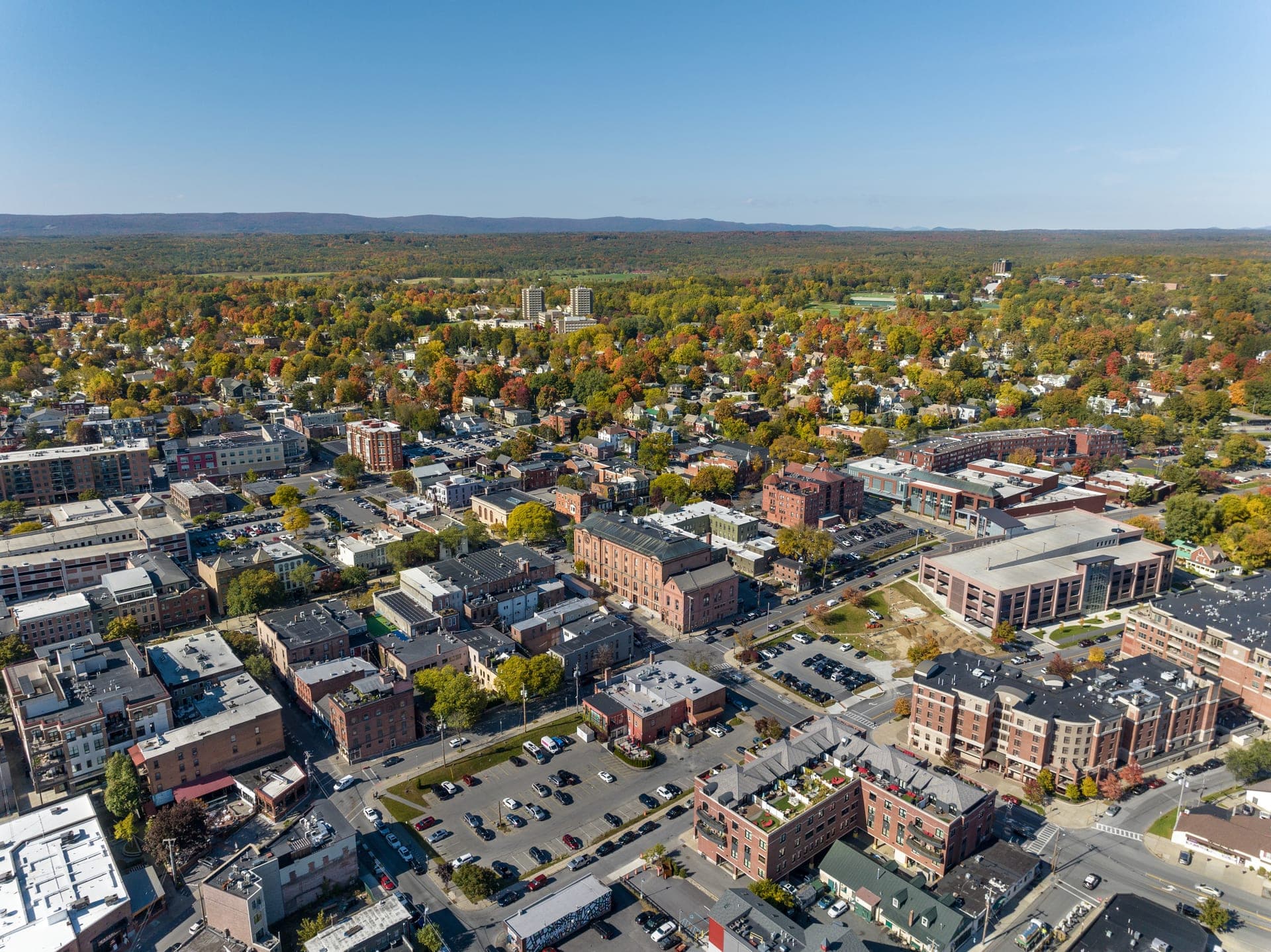
If you want to understand Saratoga Springs, start by walking Broadway. The Broadway corridor is the spine of downtown, a wide, tree-lined main street that runs north and south through the center of the city and ties together the parks, the shops, the hotels, and the side streets that branch off of it. People who move to Saratoga from elsewhere in the Capital Region often say the same thing after their first visit: they came for the track and stayed for the walkable downtown. This is a slow, on-foot tour of that corridor, told the way Sharon Fronk walks it with buyers who are deciding whether this is where they want to live.
Park near the south end and begin where the street meets Congress Park. This is the gateway to Broadway, and it sets the tone for everything north of it.
Start at Congress Park and the Casino
Congress Park is a 17-acre National Historic Landmark at the southern foot of Broadway, and it is the right place to begin. The grounds were reshaped in the 1870s with input from Frederick Law Olmsted, the same landscape mind behind New York's Central Park, and you can feel that pedigree in the winding paths and shade trees. Walk in and look for the reflecting pool guarded by the bronze Tritons that locals nicknamed Spit and Spat, a fountain that has been there since the early 1900s. The Italian Gardens, with their marble statuary, were laid out by gambling-hall owner Richard Canfield in the same era.
At the center of the park sits the Canfield Casino, an 1870s gaming house that today holds the Saratoga Springs History Museum. Near the Spring Street and Putnam Street corner you will find the carousel, with horses carved by Coney Island master Marcus Charles Illions. Saratoga grew up around its mineral springs, and several of them still bubble up inside and around the park if you want to taste the water that built the town.
Walk North Past the Gilded Age Architecture
Step out of the park onto Broadway and head north. This is the Broadway Historic District, and the buildings tell the story of the city's Gilded Age wealth. Look up above the modern storefronts and you will see High Victorian, Beaux-Arts, and Richardsonian Romanesque facades, ornate cornices, arched windows, and brick and stone detail that has been carefully preserved rather than torn down.
The anchor of this stretch is the Adelphi Hotel at 365 Broadway, the last of the grand Victorian hotels from the 1800s. It was reborn after a full restoration that wrapped in 2017, and its columned porch is one of the best people-watching perches on the street. A few doors along you will pass the old Rip Van Dam building, one of the oldest surviving hotel structures in the city. These are not museum pieces roped off from the public. They are working buildings with restaurants, lounges, and shops at street level.
Browse the Shops and Grab a Table
The middle of Broadway is where the corridor earns its reputation as a real downtown rather than a seasonal strip. At 424 Broadway, Northshire Bookstore fills a multi-level space with an enormous children's section, and the attached Broadway Deli and a Kilwins chocolate and ice cream shop share the same building, so you can browse, eat, and grab fudge without stepping back outside in winter. Putnam Market, just off the main drag, is a longtime stop for sandwiches, cheese, wine, and bakery cakes.
Between the national names you will find independent boutiques, art galleries, and specialty shops selling jewelry, leather goods, teas, and gifts. Here are a few things first-time visitors tend to notice on this part of the walk:
- The sidewalks are unusually wide, which leaves room for cafe patios and street musicians in the warmer months.
- Storefronts turn over but the bones stay the same, so the street keeps its historic look even as tenants change.
- Plenty of benches and the park-like median give you natural places to pause.
Detour Onto the Side Streets
The corridor is more than Broadway itself. The cross streets are where a lot of the dining and nightlife live, and they are all a short walk off the main line. Turn east onto Phila Street and you reach Hattie's, a Southern restaurant that has been serving fried chicken in Saratoga since 1938. Caroline Street, one block up, is the heart of the late-night bar scene, lined with pubs and taverns. Henry Street has added taprooms and cocktail bars in recent years. These detours are worth taking, because a downtown is really a network of streets, and the side streets are where you learn how a neighborhood actually lives.
Finish at the City Center and the North End
Keep heading north and Broadway opens up toward its civic and hospitality hub. Around 522 Broadway you reach the Saratoga Springs City Center, the convention and event complex, connected to the Saratoga Hilton, the largest hotel in town. Smaller, design-forward stays like the Bluebird Spa City Motor Lodge sit along this part of historic Broadway too. This north end is the engine that keeps the corridor busy outside of summer.
That year-round rhythm is the thing worth understanding if you are thinking about living here, not just visiting. Track season fills Broadway in July and August, but the street does not go dark the rest of the year. Winter brings Chowderfest, when restaurants across downtown serve samples in February, and the Saratoga New Year's Eve celebration lights up the corridor at the turn of the year. Spring and fall bring concerts, gallery nights, and farmers' markets. The Broadway corridor is a place that stays awake in every season.
If walking this street makes you start picturing yourself living within reach of it, that is worth a conversation. Sharon Fronk works with buyers and sellers throughout Saratoga Springs and the wider Capital Region, and she is happy to talk through neighborhoods, commutes, and what your budget reaches near downtown, with no pressure and no rush. Reach out through this site whenever you are ready to start.
Enjoyed this article?
Get weekly real estate insights delivered to your inbox.