
What It's Really Like to Live in Saratoga Springs
A local read on what it's really like to live in Saratoga Springs, NY: the Broadway corridor, Congress Park, SPAC and the arts, the state park, Saratoga Lake, year-round life, and an honest word on cost.

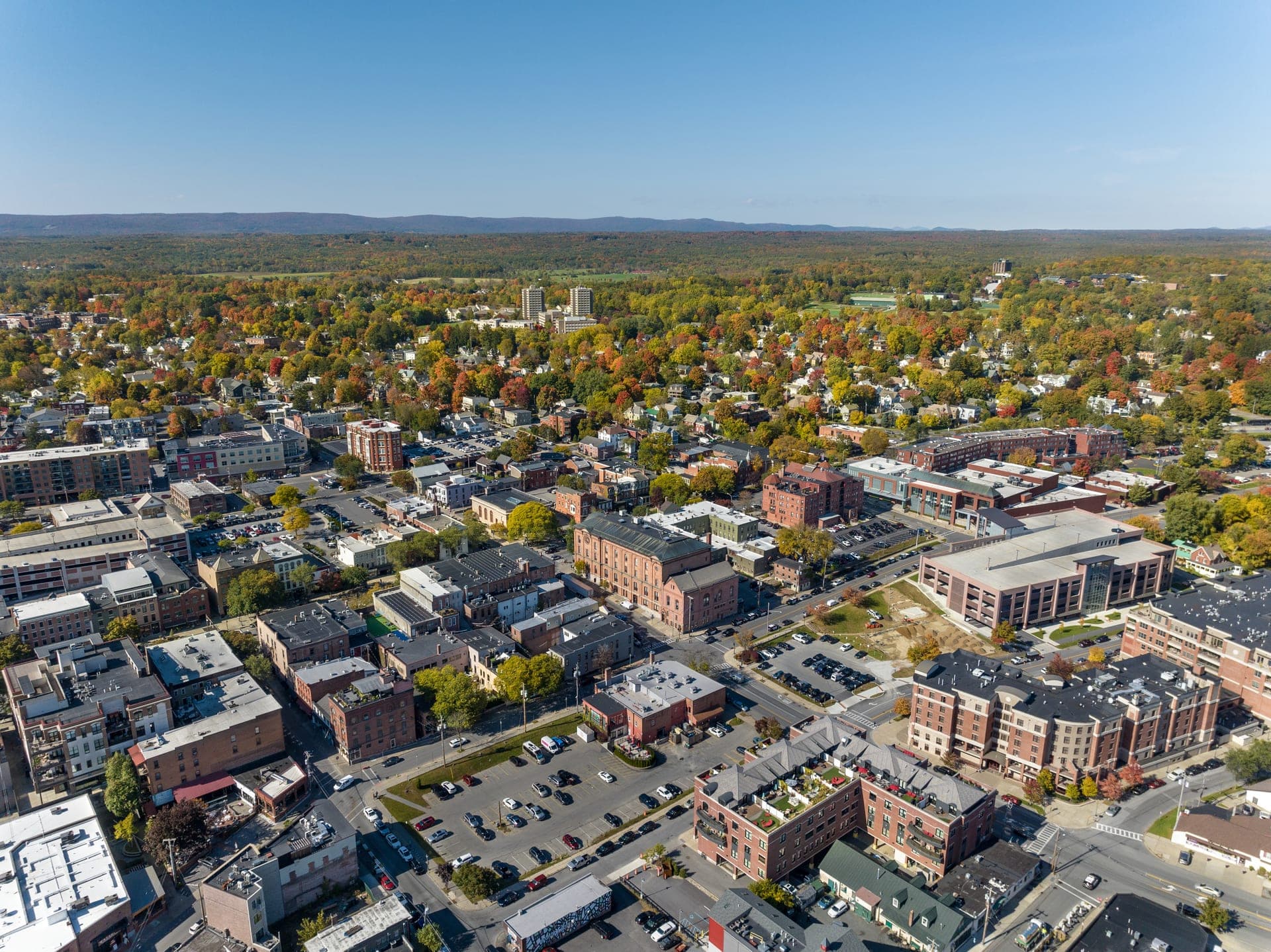
Most people meet Saratoga Springs in August, when the Saratoga Race Course is open and Broadway is packed. The question Sharon Fronk hears most often is what it is really like to live in Saratoga Springs once the meet ends and the summer crowds head home. The honest answer is that the city you fall for in racing season is still here in February, just quieter, and the everyday version is the one worth getting to know before you buy. Here is a grounded look at the place, the housing, and the rhythm of life in this corner of Saratoga County.
Downtown and the Broadway corridor
Broadway is the center of gravity, and it is a real downtown, not a seasonal one. The mix leans toward independent shops rather than chains: Northshire Bookstore for browsing an afternoon away, Saratoga Trunk for clothing, and a long run of boutiques, galleries, and home goods stores between the cross streets. Coffee anchors the morning, from Uncommon Grounds at 402 Broadway to the smaller bakehouses scattered along the strip, and the restaurant lineup runs from Spanish tapas at Boca Bistro to wood-fired Italian at Forno Bistro to a modern steakhouse at Salt and Char. Caffe Lena, on Phila Street just off Broadway, is the oldest continuously running folk music venue in the country and still books shows most nights of the week. The point is that you can walk to dinner in January and the place is still awake.
Congress Park sits right in the middle of it all, a short walk from the main shopping blocks. Frederick Law Olmsted had a hand in its design, and today it holds walking paths, fountains, the Italian Gardens, the Canfield Casino, and a restored antique carousel. It is the kind of green space you end up using on a Tuesday, not just on a visit.
The arts run deep
For a city this size, the cultural calendar is unusually full. The Saratoga Performing Arts Center, known as SPAC, sits inside Saratoga Spa State Park and serves as the summer home of the New York City Ballet and the Philadelphia Orchestra, alongside the Freihofer's Saratoga Jazz Festival and a full season of touring concerts. Beyond the amphitheater, Universal Preservation Hall, an 1871 former church a block off Broadway, hosts music and theater in a restored 700-seat hall. Saratoga Arts on Broadway runs a gallery, classes, and events year-round, the Beekman Street Arts District gathers studios and small restaurants in one walkable pocket, and Home Made Theater stages a fall-to-spring season at the Spa Little Theater. Between all of it, there is almost always something on, in every season, not only in July.
The outdoors are right there
Saratoga Spa State Park is the kind of amenity most cities would build a campaign around. Spread across roughly 2,400 acres at the southern edge of the city, it holds miles of nature trails past the mineral springs and small geysers, an 18-hole championship golf course plus an executive course, the Roosevelt Baths and Spa for the mineral water tradition the city was named for, and two very different public pools: the grand, arcaded Victoria Pool and the larger Peerless Pool complex with its slides and zero-depth entry. In winter the same trails are used for cross-country skiing. You can be deep in the woods ten minutes after leaving Broadway.
For time on the water, Saratoga Lake is just southeast of the city along Route 9P. There is a state boat launch and a string of marinas, the lake is known for largemouth and smallmouth bass, northern pike, and walleye, and outfits on the water rent kayaks and paddleboards in season. A handful of lakeside restaurants along Route 9P round out a summer evening. Add the Zim Smith Trail and the broader Saratoga County trail network nearby, and the outdoor options stay open all year.
Life beyond track season
The thing newcomers underestimate is how much the city does to stay lively in the cold months. The Saratoga Farmers' Market runs year-round, outdoors at High Rock Park in the warm season and indoors at the Wilton Mall through winter. February brings Chowderfest, when dozens of downtown restaurants serve tens of thousands of cups of chowder over a single weekend, and December brings the Victorian Streetwalk, when Broadway lights up for an evening of music and shopping. Skidmore College sits on the north side of the city and feeds a steady stream of lectures, art shows, and performances that are open to the public. Track season is a genuine event, but it is one season out of four here, not the whole story.
Historic homes and the housing you will find
Saratoga's building stock is a big part of its character. The downtown and the surrounding streets are dense with 19th-century architecture, from grand Queen Anne Victorians to Italianate and Greek Revival homes, much of it protected within the city's historic districts. Closer in, you will find those older homes on tree-lined streets within walking distance of Broadway. Move out toward the edges of the city and into the surrounding town of Saratoga and you pick up newer construction, ranches and colonials on larger lots, condos, and townhomes for those who want less yard to keep. Most addresses in the city fall within the Saratoga Springs City School District, though boundaries shift street to street, so it is always worth confirming the district for a specific home. Saratoga Race Course itself, which opened in 1863 and is often called the oldest organized sporting venue in the country, anchors the east side of the city near Union Avenue, one of the grand residential streets.
A straight word on cost
Here is the part Sharon makes sure people hear early: Saratoga Springs runs pricier than much of the Capital Region, and for many people the walkable downtown and the lifestyle are worth every dollar. For others, a neighboring town such as Wilton, Ballston Spa, Greenfield, or Malta offers a lot of the same feel and proximity for less. Inventory and pricing move with the season, so the most reliable read on what is actually selling is the live numbers on the market reports page rather than any figure quoted in an article. Tax and assessment specifics vary by parcel, so confirm those with the assessor or your attorney before you commit.
If Saratoga Springs is on your list, or you are weighing it against the towns nearby, Sharon Fronk knows this area street by street and is glad to give you the real picture. Reach out for a no-pressure conversation about what fits your life and your budget.
Enjoyed this article?
Get weekly real estate insights delivered to your inbox.