
Exploring Troy, NY: Historic Architecture, Dining, and the Waterfront
A local guide to exploring Troy, NY: its 19th-century rowhouses and brownstones, the downtown dining scene, the Hudson River waterfront, and what owning a historic Troy home really involves.

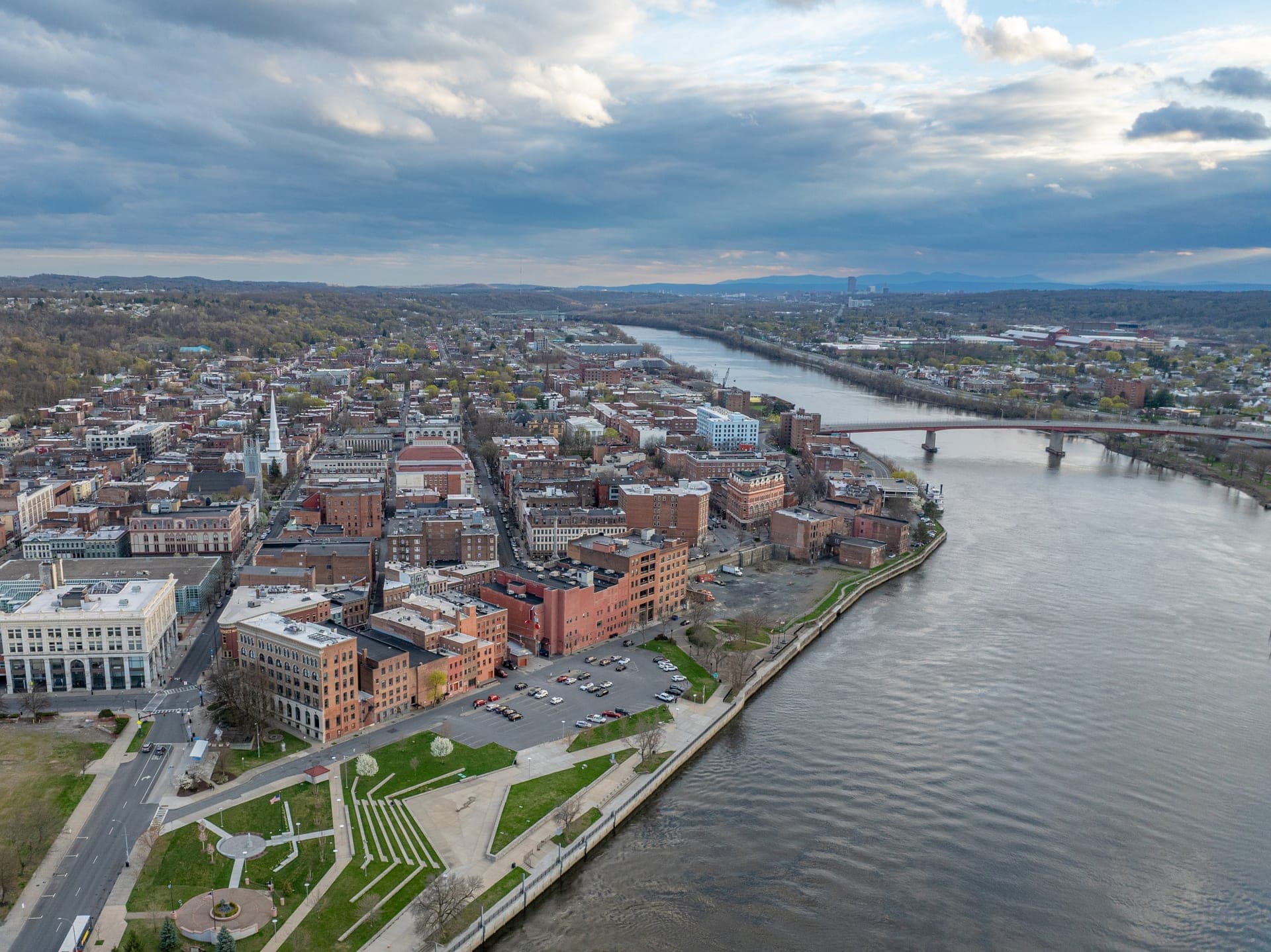
If you have been exploring Troy, NY for its historic architecture, you already know the city looks like few others in the Capital Region. Troy sits on the east bank of the Hudson River in Rensselaer County, and its downtown is one of the most intact 19th-century streetscapes left in the country. Walk a few blocks off Monument Square and you pass Federal and Greek Revival rowhouses, Italianate storefronts, Romanesque banks, and brownstone trim that has been in place since Troy's industrial boom. This is a city you can read like a timeline, and that is a big part of why people who want character in a home keep looking here.
The Architecture That Made Troy Famous
Troy grew rich in the 1800s on iron, stoves, and detachable shirt collars, and the people who built those fortunes built to last. The Central Troy Historic District holds an unusually deep collection of styles in a small footprint: Federal, Greek Revival, Italianate, Gothic Revival, Queen Anne, Mansard, Romanesque, and Beaux Arts all sit within a short walk of each other. Many of the three-story brick townhouses on First and Second Street still show their early 1800s side-entrance facades, raised basements, and brownstone detailing. Between Adams and Ferry streets you find blocks of two-story brick rowhouses originally built as worker housing, some dating to the Federal period. Near Russell Sage College you can see the private green at Washington Park, ringed by 19th-century homes, with cobblestone Washington Place alongside it.
Monument Square, the Waterfront, and the Farmers Market
The heart of downtown is Monument Square, anchored by the Soldiers and Sailors Monument, with River Street running along the Hudson just behind it. On Saturdays this area fills up for the Troy Waterfront Farmers Market, which started back in 2000 with a couple dozen vendors and now draws thousands of people each week. From spring into fall the market spreads outdoors around Monument Square and River Street near the water, then moves indoors for the winter season. You will find New York State produce, bakers, prepared food, and local makers, plus live music and a steady stream of neighbors catching up. The riverfront walk gives you long views up and down the Hudson, and it is one of the easiest ways to get a feel for the city in an afternoon.
A Dining Scene Worth the Trip
Troy's restaurant scene has grown up alongside its old buildings, and a lot of it clusters along River Street and the blocks around Monument Square. Dinosaur Bar-B-Que sits in a historic building at 377 River Street with seating that looks out over the Hudson. Ryan's Wake is a long-running Irish pub with decks over the river, and Sunhee's Farm and Kitchen serves Korean cooking downtown using produce from the owner's own farm. Beyond those, downtown Troy is compact and walkable, with well over two hundred places to shop, eat, and gather, and an annual Restaurant Week that gives newcomers an easy excuse to sample several spots at once.
Institutions, Music, and History
Two colleges shaped the city and still do. Rensselaer Polytechnic Institute was founded in Troy in 1824, started downtown, and moved up to the hilltop overlooking the river after the Great Fire of 1862. Russell Sage College was founded downtown in 1916 and still occupies a campus tucked into the historic district, surrounded by 19th-century brownstone residences and walled gardens. A short walk away, at the corner of State and Second, the Troy Savings Bank Music Hall was completed in 1875, designed by architect George B. Post, and named a National Historic Landmark in 1989. It is known nationally for its acoustics and its 1882 Odell organ, and it still hosts concerts today. For deeper local history, the Hart-Cluett Museum on Second Street occupies an 1827 marble townhouse and keeps a permanent exhibit on Samuel Wilson, the Troy meatpacker remembered as the original Uncle Sam. Up on Mount Ida, Prospect Park gives you one of the best overlooks of the city and the Hudson.
What Owning a Historic Troy Home Is Like
A 150-year-old rowhouse rewards you with high ceilings, original woodwork, and masonry walls that can be quieter and more energy-steady than newer construction. It also asks for a different kind of attention than a modern build. Older Troy homes often have stone or rubble foundations that behave differently than poured concrete, brick that needs periodic repointing, and chimneys and parapets that take the brunt of the weather. Aging electrical systems and moisture are the two issues that come up most often, so a thorough inspection matters, and a masonry-focused inspection is worth considering on a solid-brick house. If a property sits inside a local historic district, exterior changes may be reviewed by Troy's Historic District and Landmarks Review Commission, so it is smart to understand those guidelines before you plan any work. Sharon Fronk walks her buyers through exactly what a given older home will and will not need, so the charm comes without surprises. For current Troy prices and market trends, see the live numbers on the market reports page at /market-reports rather than relying on a figure that may be out of date. For any questions about historic-district rules or permits, confirm the specifics with the City of Troy and, where money or contracts are involved, the appropriate professional.
If you are thinking about buying or selling in Troy and want a clear, honest read on the neighborhoods and the housing stock, Sharon Fronk of Howard Hanna knows this part of the Capital Region well. Reach out through the contact page for a no-pressure conversation about what you are looking for.
Enjoyed this article?
Get weekly real estate insights delivered to your inbox.