
Selling a Condo or Townhome: How It Differs From a Single-Family Sale
Selling a condo or townhome differs from a single-family sale: HOA documents and resale certificates, board waivers, warrantable condo financing, and pricing against the right Capital Region comps.

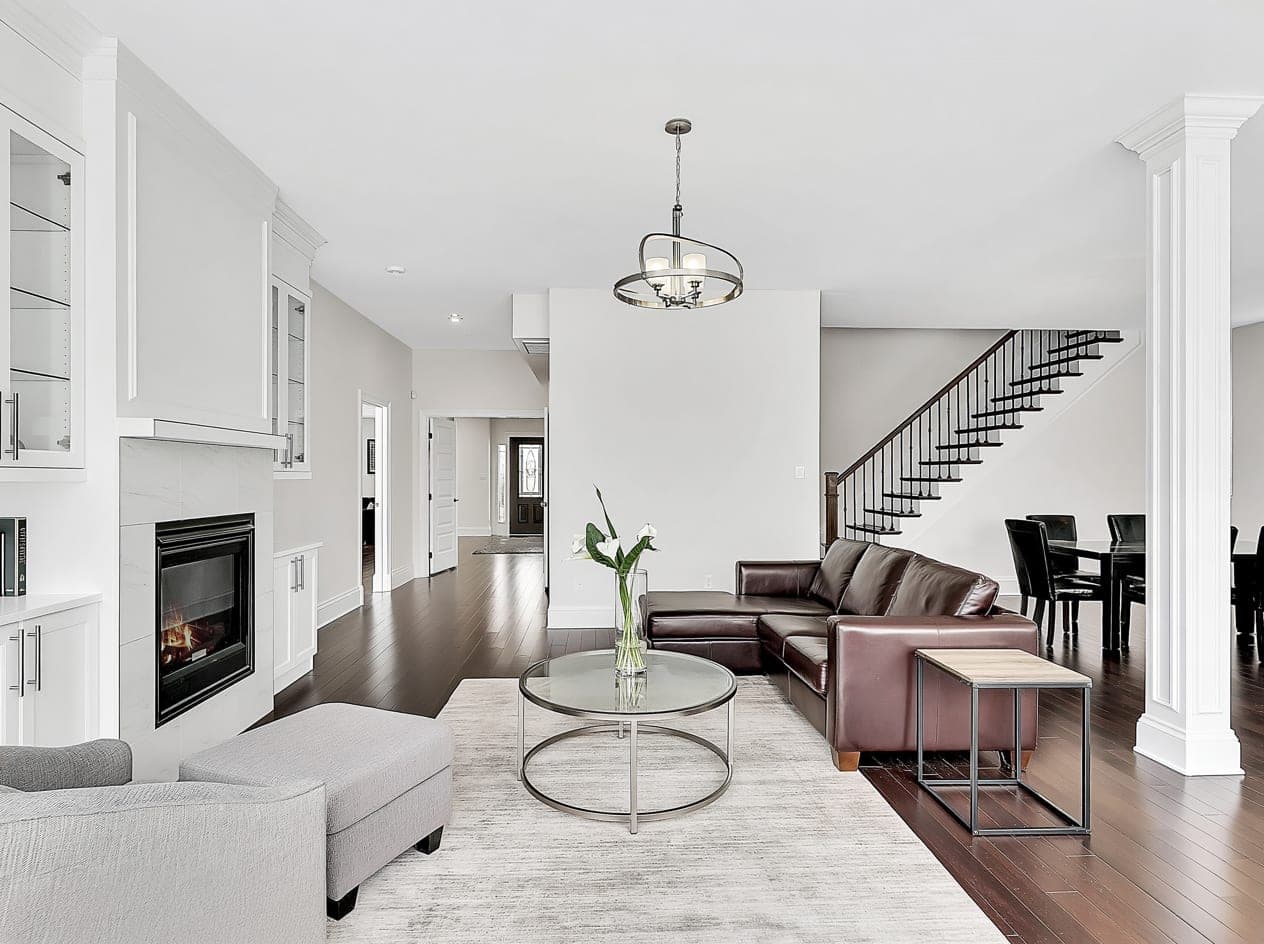
If you own a condo or townhome in the Capital Region and you are getting ready to list, the first thing to know is that selling a condo or townhome differs from a single-family sale in several practical ways. The house itself is only part of what a buyer is purchasing. They are also buying into an association, a set of rules, a monthly fee, and a shared financial picture, and all of that has to hold up under scrutiny before a sale closes. Sharon Fronk has helped owners through these sales across Albany, Saratoga, Schenectady, and Rensselaer counties, and the deals that go smoothly are almost always the ones where the owner understood the differences early. Here is what to expect.
The Documents a Buyer Will Ask For
With a single-family home, the paperwork is largely about the house. With a condo or townhome, the buyer's agent and attorney will also want a stack of association documents, often called the resale package. That typically includes a resale certificate that lays out your account standing, the current monthly fee, any unpaid balance, and any pending or recently voted special assessments. Alongside it come the governing documents: the declaration or master deed, the bylaws, the rules and regulations, the current budget, recent meeting minutes, the reserve study if one exists, and proof of the association's master insurance.
One New York wrinkle that trips owners up: the state Property Condition Disclosure Act, which was amended in March 2024 to remove the old five-hundred-dollar credit option and add flood-history questions, exempts condominium and cooperative units. So as a condo seller you generally do not complete that particular state form. That does not mean less disclosure overall. It means the association's documents and the resale certificate carry the weight instead, and gathering them takes time. Many associations or their management companies charge a fee to prepare the package, and turnaround is rarely instant, so start the request early.
The Association Can Have a Say in Your Sale
Most New York condominium bylaws give the board a right of first refusal. In plain terms, when you have an accepted offer, the board has a window to either step in and buy the unit on the same terms or, far more commonly, issue a waiver and let your sale proceed. A condo board, unlike a co-op board, cannot reject your buyer simply because it does not care for them. But the waiver is a real step that takes time, often a couple of weeks, and it usually runs through your attorney. Build it into your timeline rather than discovering it the week before closing. Townhome and HOA setups vary, so confirm what your specific governing documents require.
Financing Can Shrink or Grow Your Buyer Pool
This is the difference single-family sellers never have to think about. For condominiums, lenders look at the whole project, not just your unit. A project that meets Fannie Mae, Freddie Mac, FHA, or VA standards is called warrantable, and warrantable projects qualify buyers for conventional and government-backed loans with normal down payments. Those standards look at things like the share of owner-occupied versus rented units, how much the association keeps in reserves, whether one entity owns too many units, and whether the association is involved in litigation.
If a project falls short on any of those, it can be considered non-warrantable, and buyers may be pushed toward larger down payments or specialty loans, which thins the pool of people who can buy. FHA and VA buyers in particular need an approved project. Note that most attached townhomes governed by an HOA where you own the land are financed like single-family homes, so this warrantability question is mainly a condominium issue. If you are not sure where your condo association stands, it is worth finding out before you list, because it shapes how you market and who can realistically make an offer.
Pricing Against the Right Comparables
With a single-family home, comps come from similar houses nearby. With a condo or townhome, the most useful comparables are usually within your own association or a nearly identical one: the same floor plan, the same fee structure, the same amenities. A unit two streets over with a different layout and a different monthly charge is a weaker comparison than the same model in your building that sold last quarter. The monthly fee itself affects value, because buyers weigh that payment alongside the mortgage. A higher fee that covers more, such as exterior maintenance, snow removal, water, or amenities, is not automatically a negative, but it has to be explained clearly. For current, live numbers on how the local market is moving, point to the market reports page on this site at /market-reports rather than any figure quoted in an article.
Showing a Smaller, Shared Footprint
Many condos and townhomes have less square footage than a detached house, so making the space feel open matters even more. Clear the counters, thin the closets, keep walkways unobstructed, and let in as much light as you can. Then market the lifestyle the association actually provides: low-maintenance living, shared amenities like a clubhouse or pool, trails, assigned or covered parking, and whatever the monthly fee takes off the owner's plate. Be straightforward about the rules too, including any limits on pets, rentals, or exterior changes, since a buyer will read the bylaws eventually and surprises late in a deal cost trust.
A Note Before You List
Association documents, resale certificates, board waivers, financing, and tax or title questions all benefit from the right professional in the room. Confirm the specifics with your attorney, your association or its management company, a participating lender, and a tax professional where it applies, since rules and association policies change and vary from one community to the next.
Selling a condo or townhome is very doable once you know where it differs from a house sale. If you own one in the Capital Region and want a clear, no-pressure read on your association, your likely buyer pool, and the right comparables for your unit, reach out to Sharon Fronk for a straightforward conversation about your options.
Enjoyed this article?
Get weekly real estate insights delivered to your inbox.