
Staging Your Home to Sell: 10 Tips That Actually Work
Practical home staging tips for selling in the Capital Region: declutter, neutralize, maximize light on gray Upstate days, and stage every room without spending on costly upgrades.

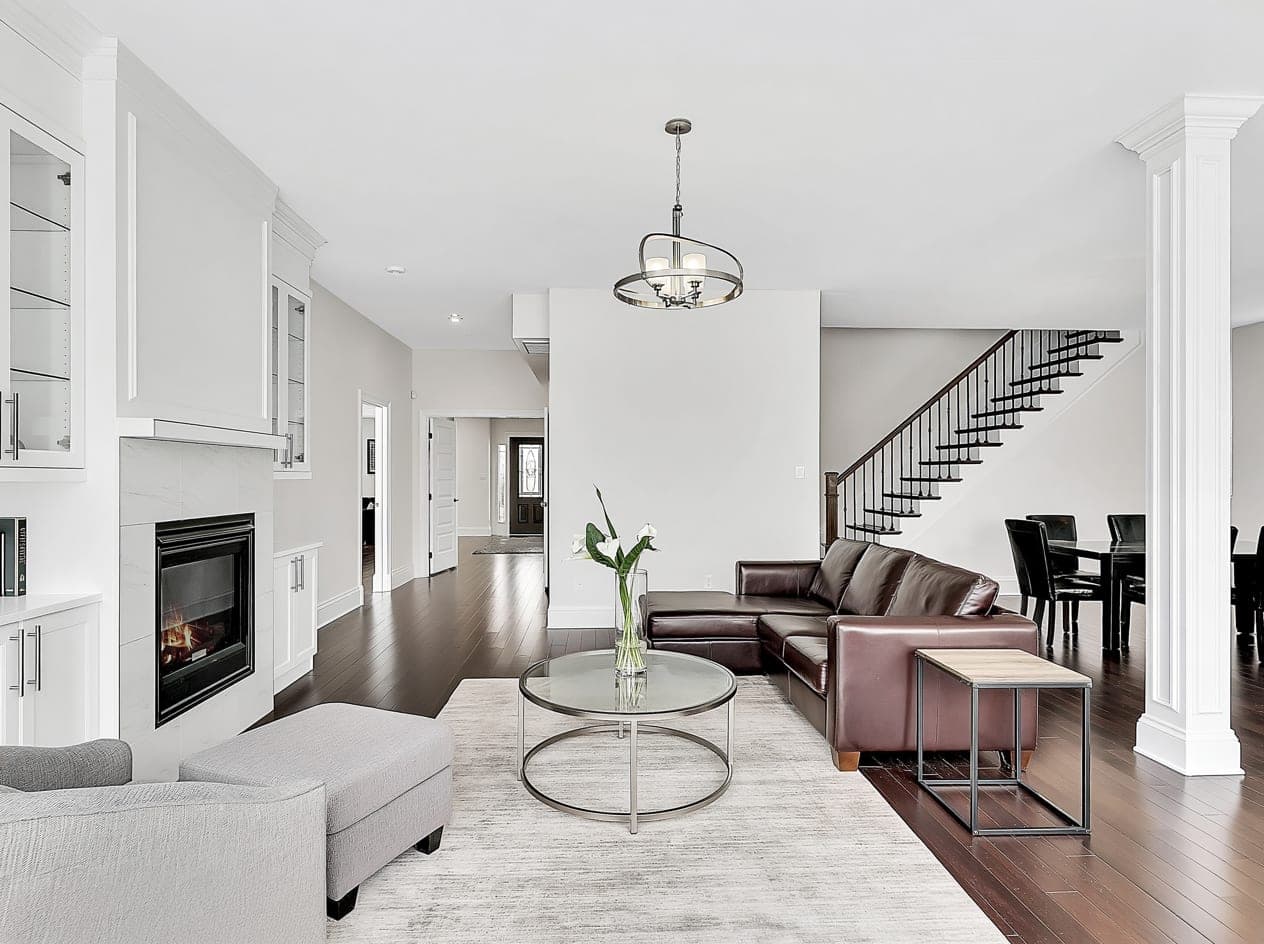
Staging your home to sell is about presentation, not renovation. The goal is to help a buyer walk through your front door in Delmar, Pine Hills, Clifton Park, or Saratoga Springs and picture their own life in the space within the first few minutes. The good news is that most of what works costs very little. These home staging tips lean on time, elbow grease, and a few small purchases before they ever lean on your wallet. Sharon Fronk works with sellers across the Albany, Saratoga, Schenectady, and Rensselaer county markets, and the pattern holds: the houses that show well are usually the clean, calm, well-lit ones, not the expensive ones.
A quick note before the list. Staging is different from making improvements. Improvements mean new countertops, a roof, or a furnace. Staging means presenting what you already have in its best light. Start with the free and cheap moves below, and only spend on bigger fixes if your agent tells you the market is asking for them.
Declutter Like You Are Already Moving
The single highest-impact staging tip is also the cheapest: take things out. You are moving anyway, so start packing now. Clear off counters, thin out closets to half-full so they read as roomy, and box up the excess. Buyers open every cabinet and closet, and a stuffed closet quietly tells them the house has no storage. In older Capital Region housing, from Center Square rowhouses to mid-century Schenectady ranches, storage is often the first thing a buyer worries about, so showing breathing room matters even more. Rent a small storage unit if you have to. Empty surfaces photograph better and feel larger in person.
Deep Clean Until It Shines
After decluttering, clean everything, then clean it again. Floors, baseboards, windows, grout, inside the oven, and the often-forgotten light fixtures. A spotless home signals that the house has been cared for, and that impression follows a buyer into how they think about the furnace and the roof. Pay attention to smells, since you stop noticing your own home. Pet areas, cooking odors, and basement mustiness are common in our older, damper housing stock. If a deep clean is more than you want to take on, a one-time professional cleaning is one of the best dollars you can spend.
Calm the Paint Colors to Neutrals
Bold accent walls and personal color choices make buyers do mental math about repainting. A fresh coat of a warm, light neutral resets the room and reflects light. Soft greiges and warm whites are popular because they work in almost any room and make spaces feel open. A gallon of quality paint is inexpensive, and painting is the rare staging task most sellers can do themselves over a weekend. Save the boldest colors for the rooms that have been hardest to neutralize, and keep trim crisp and clean.
Maximize the Light
This one matters more here than in sunnier places. Albany averages roughly 182 sunny days a year, below the national average, and December is the cloudiest month, so many showings happen under flat gray skies. Fight back. Open every blind and curtain, clean the windows inside and out, and turn on every lamp and overhead before a showing, even at midday. Swap dim or mismatched bulbs for bright, consistent ones in a soft white tone. Trim shrubs that block windows. A well-lit room reads as larger, cleaner, and more cheerful, which is exactly the lift a darker winter showing needs.
Mind the Curb Appeal and the First Ten Feet
A buyer forms an opinion before they are out of the car, and the walk to your door is prime staging real estate. After a Capital Region winter, that path takes a beating. Pressure-wash road-salt residue and grime off the walkway and steps, sweep away the sand and grit, and touch up any salt-pocked concrete. Lay down a fresh ring of mulch in the beds, edge them clean, and put a few cold-hardy plants by the entry once the season allows. Make sure the walk and driveway are fully clear of snow and ice for winter showings. Wipe down the front door, polish or replace tired hardware, and add a clean doormat. The first ten feet set the tone for everything after.
Give Every Room a Clear Purpose
Buyers struggle to value a room they cannot name. That catch-all spare room piled with boxes, exercise gear, and old furniture should become one clear thing: an office, a guest room, a reading nook. Pick a single function and stage it simply so the buyer instantly understands the room and mentally adds it to the home's value. The same goes for awkward bonus spaces common in our split-levels and older homes. Define it, and you sell it.
Depersonalize the Space
Take down the family photos, the kids' artwork, the diplomas, and the collections. This is not about hiding your life. It is about clearing the way for the buyer to imagine theirs. When a buyer sees your face on every wall, they stay a visitor. When the walls are calm and neutral, they start moving in their head. Pack the personal items now as part of your move, and replace busy gallery walls with one or two simple pieces of art.
Fix the Small Stuff
The little defects add up. A dripping faucet, a squeaky door, a cracked switch plate, a chipped bit of trim, or a burned-out bulb each plant a small seed of doubt, and together they make a buyer wonder what bigger problems are hiding. Spend a Saturday with a tightening, caulking, and touch-up pass. These repairs cost very little and remove the nagging impression of deferred maintenance. Sharon often points sellers at this list first because the fixes are cheap and the payoff in buyer confidence is real.
Bring in Something Living
A bit of life warms a staged home. A simple potted plant, a small orchid, or fresh-cut flowers on the kitchen island or dining table adds color and signals care without any clutter. It reads especially well during the gray stretch of an Upstate winter, when a little green is a welcome contrast. Keep it modest and healthy. A single thriving plant does more than several struggling ones.
Set a Simple Scene
Finish with light touches that suggest a calm, livable home. Fresh white towels in the bath, a set table with simple place settings, a folded throw on a clean sofa, a bowl of fruit on the counter. The aim is understated and tidy, not a magazine spread. Keep counters clear except for one or two intentional items, and put the rest away. Buyers remember how a home felt, and a simple, peaceful scene is what you want them to carry to the next showing.
Talking It Through
Staging is one of the few parts of selling where small, low-cost effort moves the needle the most. If you are weighing what is worth doing in your specific home and your specific corner of the Capital Region, Sharon Fronk is glad to walk through it room by room. Reach out for a no-pressure conversation about getting your home ready to sell, and check the market reports page for current local conditions before you set your plan.
Enjoyed this article?
Get weekly real estate insights delivered to your inbox.