Right-Sizing in the Capital Region: Single-Level and Low-Maintenance Home Options
Right-sizing in the Capital Region means moving to a smaller, easier home: single-level ranch and patio homes, townhomes, condos, and 55-plus communities, plus how to coordinate selling and buying.

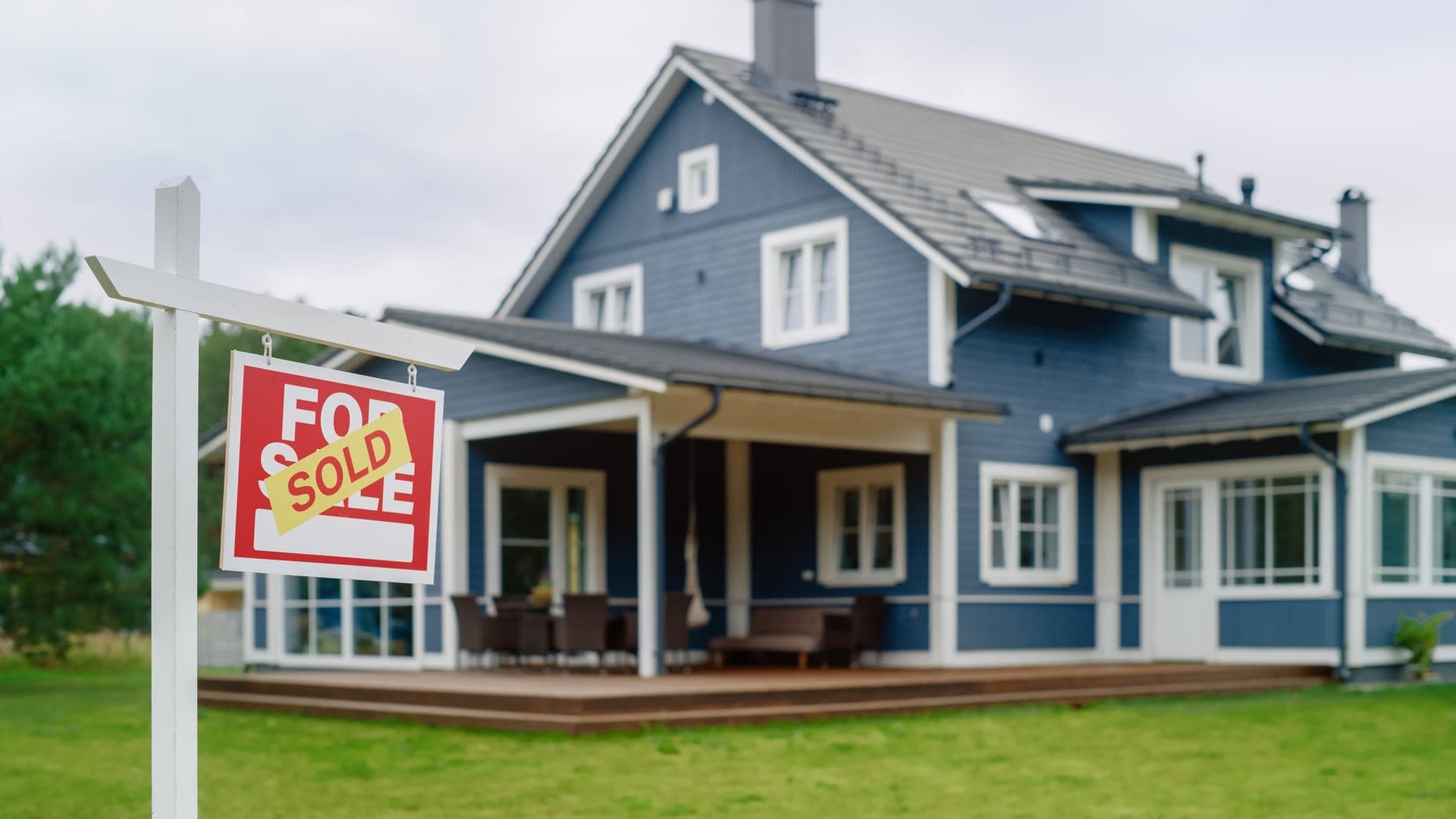
Right-sizing in the Capital Region usually starts with one honest thought: the house that fit you for the last twenty or thirty years feels like more than you want to keep up now. The yard takes a Saturday. The stairs feel longer than they used to. You are paying to heat and clean rooms nobody uses. Right-sizing is the move from a larger home into something smaller and easier to maintain, and across Albany, Saratoga, Schenectady, and Rensselaer counties there are more options for that than most owners realize. The challenge is rarely finding a smaller home. It is coordinating the sale of the one you are in with the purchase of the one you want next, so you are not stranded in between.
What right-sizing actually involves
Right-sizing is not just downsizing square footage. It is matching the next home to how you actually live now and removing the chores you no longer want. For most owners that means fewer stairs, less yard, and predictable upkeep.
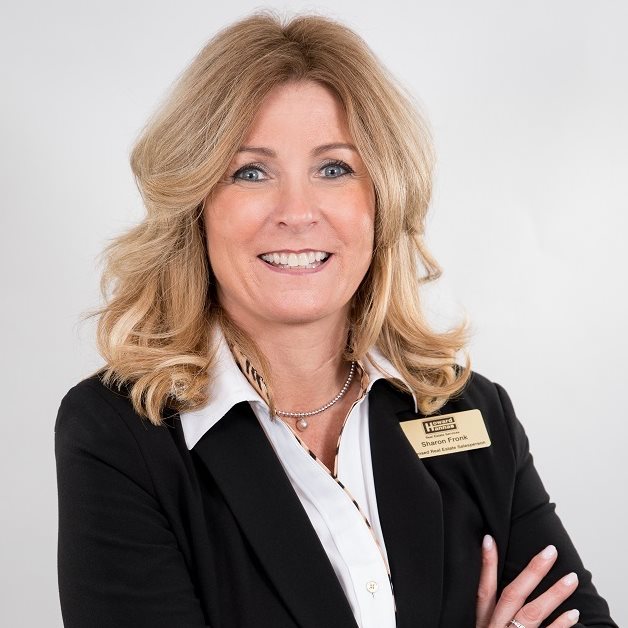
The harder part is timing. You likely need the equity from your current home to buy the next one, which means the two transactions have to line up. In a market where homes in the Capital Region move quickly, the worry runs both directions: sell first and you may feel rushed to land somewhere, or buy first and you may carry two properties for a stretch. Sharon Fronk, a Licensed Real Estate Salesperson with Howard Hanna, works with owners to sequence these two moves so the gap is short and planned rather than stressful. There are tools for this, including sale-contingent offers, rent-back arrangements where you stay in your sold home for a set period after closing, and simply pricing and prepping your current home so it sells on a schedule you control.
Single-level ranch and patio homes
If stairs are the main reason you are thinking about moving, a single-level home solves it directly. Ranch homes are common throughout the Capital Region, from established neighborhoods in Niskayuna, Colonie, and Guilderland to newer construction in Clifton Park, Malta, and Halfmoon. A true single-level ranch puts the bedrooms, kitchen, laundry, and a full bath all on one floor, so daily life never requires the stairs.
Patio homes are another single-level option worth knowing. These are typically attached or closely clustered one-story homes, often in a small association where some exterior work is handled for you. They give you a private home and a small private yard without the scale of a full single-family lot. When you tour one, it is worth confirming exactly what the association covers and what stays your responsibility.
Townhomes and condos where the outside is handled
For owners who want to stop doing exterior maintenance entirely, townhomes and condominiums are the most direct trade. In these communities, an association generally handles the work that eats your weekends: lawn care, landscaping, snow removal from shared walks and drives, and often the roof and exterior siding. Clifton Park, Malta, Halfmoon, and the towns around Saratoga Springs all have townhome and condo communities built around exactly this lock-and-leave convenience.
The trade-off is the monthly fee and the rules. A few things to weigh before you commit:
- The monthly HOA or condo fee, and exactly what it covers (snow, lawn, water, roof, exterior, amenities)
- Whether the association has adequate reserves for big future repairs, which an attorney can help you review
- Any rules on pets, parking, rentals, or exterior changes
- Whether units are single-level inside or have bedrooms upstairs, since a townhome can still have stairs
Ask to see the association's budget and recent meeting minutes. Sharon helps her buyers read these documents alongside a real estate attorney so there are no surprises after closing.
55-plus and age-restricted communities
The Capital Region also has 55-plus communities, which are a lawful housing category under the federal Housing for Older Persons Act, so it is fine to name them plainly. These are residential developments where at least one resident must meet an age requirement, commonly 55, and the housing is generally built around single-level living and shared maintenance. You will find them in Saratoga County and the towns ringing Albany, often with clubhouses, walking paths, and grounds upkeep included.
The housing itself is the draw: one-floor floor plans, smaller yards or none at all, and an association that handles the exterior. As with any community, confirm the specific age rule, the monthly fee, and what the association maintains before you fall for a floor plan.
Stairs, yard, taxes, and fees: the practical math
Beyond the floor plan, run the real numbers on carrying the next home.
- Stairs: confirm whether the primary bedroom, laundry, and a full bath are all on the entry level
- Yard: decide how much outdoor space you actually want to maintain, and who maintains the rest
- Property taxes: taxes vary widely by town and school district across the four counties, so compare the actual figure on each home rather than assuming a smaller house means a smaller bill
- HOA or condo fees: treat the monthly fee as part of your housing cost, and ask what it has done over the last few years
On taxes, there are New York programs worth confirming with your assessor. The STAR program offers school-tax relief to owner-occupants, and Enhanced STAR provides a larger benefit when at least one resident owner is age 65 or older and the combined income of resident owners and their spouses is at or below a state income limit that New York updates each year, so verify the current figure with the New York State Department of Taxation and Finance. Separately, New York's senior citizens exemption can reduce a qualifying home's assessed value by up to 50 percent, but it is offered at local option and the income limits are set by your county, town, village, or school district. Because these figures and rules change and vary by place, confirm your eligibility and the current numbers with your local assessor and the New York State Department of Taxation and Finance, and review any tax question with a tax professional. For current Capital Region prices and how fast homes are selling, see the market reports on this site rather than relying on a number in a blog post.
How Sharon helps you move both pieces at once
The reason right-sizing feels hard is that selling and buying happen on two clocks, and you only have one set of keys. Sharon Fronk helps owners across the Capital Region line up both: preparing and pricing your current home so it sells on a timeline you choose, identifying single-level, patio, townhome, condo, and 55-plus options that match what you actually want, and structuring offers and closings so you are not caught without a place to land. She also brings in the right professionals, an attorney for the contracts and association documents and a licensed inspector for the home itself, so the move is informed at every step.
If you are weighing whether to right-size and want to understand your options and your timing before you commit to anything, reach out to Sharon for a no-pressure conversation. She is glad to walk through what your current home might bring, what is realistic for your next one, and how to coordinate the two so the move works on your terms.
Enjoyed this article?
Get weekly real estate insights delivered to your inbox.