
How Professional Photography Affects Your Capital Region Listing's Performance
Professional real estate photography is the first impression buyers get of your Capital Region home. Here is why good listing photos drive the click and the showing, and what they include.

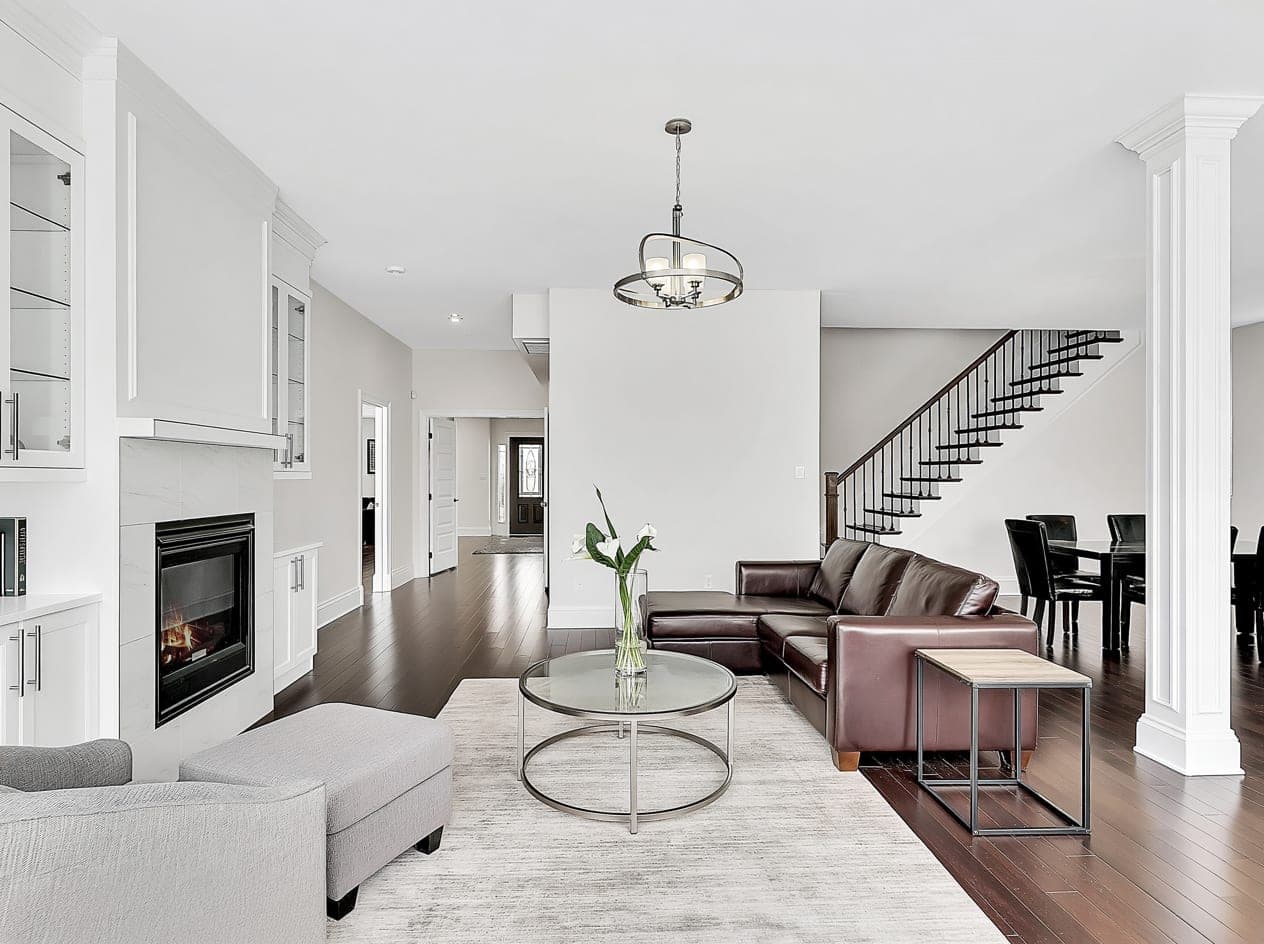
When a buyer is looking for a home in the Capital Region, the search almost always starts online. People scroll through listings on their phones at night, save the ones that catch their eye, and skip past the rest in a second or two. That means the photos on your listing are doing the work of a first impression long before anyone pulls into your driveway. Professional real estate photography is what turns a casual scroll into a click, and a click into a scheduled showing. It is one of the most important things you can get right when you sell a home in Albany, Saratoga, Schenectady, Rensselaer, or any of the surrounding towns.
This post walks through why listing photography matters so much, what separates professional photos from snapshots, and how Sharon Fronk approaches it for the homes she lists.
Why The Photos Are The First Showing
Think about how you look at homes yourself. You open a listing, the photos load, and within a few seconds you have already decided whether you want to see more. Buyers do the same thing with your house. Before they ever read the description or check the price twice, they are reacting to the images.
If the first photo is dark, crooked, or shot from an awkward angle, a lot of buyers move on without realizing the home behind it might be exactly what they wanted. Good photography keeps them looking. It earns the click into the full listing, then the saved favorite, then the call to book a showing. Every step in that chain starts with the picture.
In a market where buyers are comparing your home against everything else available that week, the photos are not a nice extra. They are the front door.
What Professional Real Estate Photography Actually Includes
There is a real difference between phone snapshots and a professional shoot, and it is not just a fancier camera. A good real estate photographer brings technique, equipment, and an eye for what buyers respond to. That usually means:
- Wide-angle lenses that show the true shape and flow of a room without distorting it, so spaces read as open and easy to picture living in.
- Proper lighting and exposure, often blending natural window light with the home's own lighting, so rooms look bright and accurate instead of dim or washed out.
- Decluttered, lightly staged rooms where surfaces are clear and furniture is arranged to show the space, letting a buyer focus on the home rather than the stuff in it.
- Thoughtful coverage of the rooms that matter most, including the kitchen, the main living areas, primary bedroom, bathrooms, and standout features like a fireplace, a finished basement, or a deck.
- Exterior shots that capture the front of the home, the yard, and the setting, which matters a great deal across the Capital Region where curb appeal shifts with the seasons.
A professional also knows how to shoot a home honestly. The goal is to show the property at its genuine best, not to mislead anyone. Photos that oversell a space only lead to disappointed buyers at the door, and that helps no one.
When Drone, Twilight, And Video Make Sense
Beyond standard interior and exterior photos, a few add-ons can give the right home an edge.
- Drone or aerial photos are useful when the lot, the acreage, or the surroundings are part of the story. They show how the property sits on its land, where the lines fall, and what is nearby, which is helpful for homes on larger parcels in towns outside the cities.
- Twilight photography captures the home at dusk, with warm interior lights glowing against a colored sky. It makes a listing stand out in a long scroll and works especially well for homes with nice landscaping or architectural character.
- Video and walkthrough tours let buyers move through the home before they visit, which can pre-qualify serious interest and save everyone time.
Not every home needs all of these, and that is the point. The Capital Region has a wide mix of housing, from Center Square row houses and Albany brownstones to Saratoga Victorians, Schenectady Stockade-era homes, and newer construction in the suburban towns. The right photo plan depends on the actual property, not a one-size template.
How Sharon Handles Photography For Her Listings
Sharon treats photography as part of the marketing plan from the start, not an afterthought once the sign goes in the yard. For her listings, that means professional photos rather than quick phone pictures, a walk-through of the home beforehand to decide which rooms and features to feature, and guidance on simple prep like decluttering and clearing surfaces so the space photographs well.
She also helps sellers think about timing and seasonality, which matters here. A yard shot taken under fresh snow tells a different story than one taken when the gardens are in bloom, and planning around that can make a real difference in how a home presents. Where it fits the property, she will talk through whether drone, twilight, or video are worth adding.
The aim is straightforward: give your home the strongest possible first impression online, so more of the right buyers click through and come see it in person.
If you are thinking about selling in the Capital Region and want to understand how your home would be photographed and marketed, reach out to Sharon Fronk for a no-pressure conversation. She is happy to walk you through what good listing photography looks like for your specific home and answer any questions, with no obligation.
Enjoyed this article?
Get weekly real estate insights delivered to your inbox.