
A Lawn and Landscape Calendar for the Upstate NY Growing Season
A season-by-season lawn and landscape calendar for the Upstate NY growing season, built around the Capital Region's zone 5 climate, frost dates, and cool-season lawns.

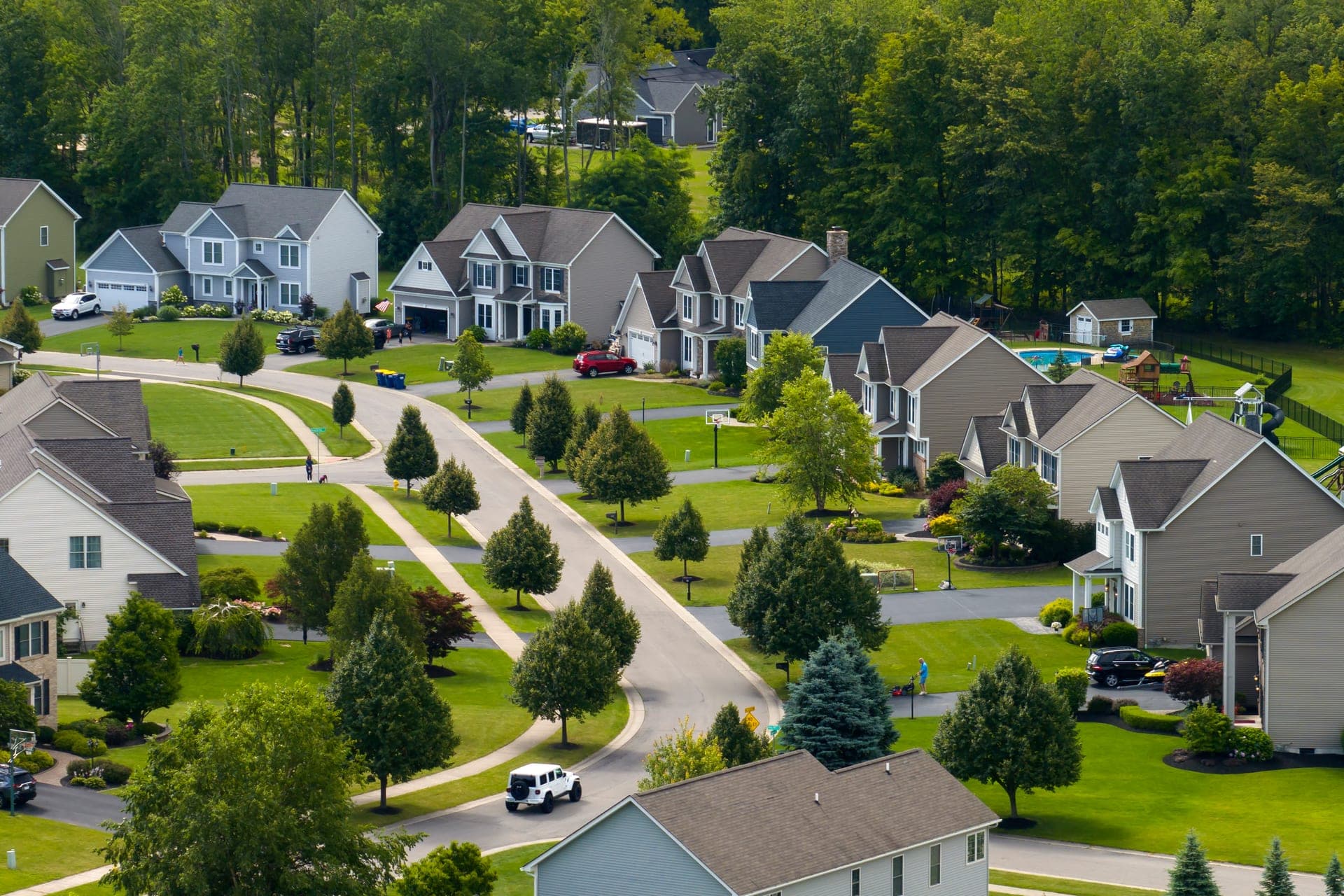
If you want a yard that looks cared for from the first thaw to the first hard freeze, it helps to work with the Upstate NY growing season instead of against it. The Capital Region sits in roughly USDA hardiness zone 5b to 6a, which means a real but short window outdoors. According to Cornell Cooperative Extension of Albany County, the last average spring frost lands around the start of May and the first average fall frost arrives in early October, so most of our genuine growing season runs from May into October. Those are averages, not guarantees, and any given year can swing earlier or later, so watch the forecast before you commit tender plants to the ground. Here is a practical, season-by-season calendar you can actually follow in Albany, Saratoga, Schenectady, Rensselaer, and the surrounding towns.
Early Spring: Cleanup, Overseeding, and Mulch
Once the snow is gone and the ground is no longer soggy underfoot, it is time to wake the yard up. Walking on saturated soil compacts it, so wait until it has drained before you do heavy raking or foot traffic. Early spring is for clearing winter debris, cutting back any perennial stalks you left standing, and giving beds a fresh look before everything leafs out.
- Rake out matted leaves, fallen twigs, and any dead thatch so air and light reach the crown of the grass.
- Cut back last year's perennial foliage and ornamental grasses before new growth pushes through.
- Patch thin or bare spots in the lawn with seed, since cool, moist spring soil helps grass germinate (fall is still the stronger seeding window, more on that below).
- Top off mulch in beds to about two to three inches, keeping it pulled back a couple inches from trunks and stems so you do not trap moisture against the bark.
- Get the mower serviced and the blade sharpened now, before you actually need it.
Late Spring: Plant After the Frost Date
This is the part newcomers get burned on. It can feel warm in April, but a late frost can still wipe out tomatoes, peppers, and tender annuals. As a rule of thumb for the Capital Region, hold off on frost-tender plants until after the early-May average frost date, and wait for the soil to warm into June before you set out true heat lovers like cucumbers, squash, basil, and melons. Hardy cool-season vegetables and cold-tolerant pansies can go in earlier.
- Wait until after the early-May frost window for tomatoes, peppers, and most warm-season annuals.
- Hold heat-loving crops and herbs until the soil warms, generally around the start of June here.
- Harden off seedlings by setting them outside for longer stretches over several days before planting.
- Plant trees and shrubs in spring so their roots establish before summer heat.
Summer: Mow High, Water Deep, Stay Ahead of Weeds
Our lawns are mostly cool-season grasses, and they handle summer best when you mow high and water smart. Taller grass shades its own roots and crowds out weeds, so set the deck around three to three and a half inches and follow the one-third rule: never remove more than a third of the blade in one pass. Leave the clippings on the lawn to return nutrients.
- Mow high, around three to three and a half inches, and keep the blade sharp so it cuts cleanly instead of tearing.
- Water deeply and less often rather than a little every day. Early morning is best, and an inch or so per week encourages deep roots.
- Expect cool-season grass to slow down or go a bit dormant and tan in a hot, dry stretch. That is normal, and it usually greens back up.
- Pull or spot-treat weeds while they are young, before they set seed.
- Keep beds mulched to hold moisture and cut down on watering.
Late Summer to Early Fall: The Best Time to Seed and Aerate
If you do one big lawn project a year, do it now. From roughly late August through about mid-October, the soil is still warm enough for fast germination, nights are cooler, and weed pressure drops off. That combination makes late summer into early fall the prime window in our region to overseed thin lawns, start a new lawn, and core aerate compacted soil so air, water, and nutrients reach the roots.
- Core aerate first if your soil is compacted or heavily trafficked, then overseed.
- Overseed bare and thin areas while the soil is still warm, and keep the new seed consistently moist until it is established.
- This is also a sound window to apply a fall lawn feeding. Confirm product timing and rates with the label or your local garden center.
Fall: Leaves, Perennials, and Bulbs
Fall is cleanup and setup at the same time. You are putting the current season to rest while planting for next spring. Do not let whole leaves pile up and smother the grass over winter. Shredded leaves, on the other hand, make excellent free mulch and compost.
- Keep up with leaves by mowing them into small pieces or raking and composting them so they do not mat down the lawn.
- Cut back spent perennials, though you can leave some seed heads and stems standing for winter interest and for the birds.
- Plant spring-flowering bulbs like daffodils, tulips, and crocus in fall, before the ground freezes, so they can root in over winter.
- Give trees, shrubs, and any new plantings a deep watering before the ground locks up, especially in a dry fall.
Putting the Garden to Bed Before Winter
A little effort in late fall saves you headaches in spring. Drain and store hoses, shut off and blow out outdoor spigots and irrigation lines so they do not freeze and crack, and empty ceramic pots that can shatter in the cold. A final low mow before dormancy and a light layer of mulch over tender perennials helps everything come through a zone 5 winter in better shape.
Frost dates and zone numbers move a little over time, so it is worth confirming the current figures for your exact spot with Cornell Cooperative Extension or the official USDA hardiness zone map before a big planting decision. Sharon Fronk is a lifelong gardener who keeps her own beds and a flock of backyard chickens, so a yard that runs on the rhythm of the seasons is close to her heart. That same eye for what makes a property feel cared for is part of how she helps buyers and sellers across the Capital Region.
If you are thinking about buying or selling a home in the Albany, Saratoga, Schenectady, or Rensselaer area and want a straightforward, no-pressure conversation, reach out to Sharon. She is glad to talk through your goals on your timeline.
Enjoyed this article?
Get weekly real estate insights delivered to your inbox.