
Homeowners Insurance Considerations for Upstate NY
A plain-spoken guide to homeowners insurance in Upstate NY: what a standard policy covers and excludes, why flood is separate, local winter risks, and what drives your premium.

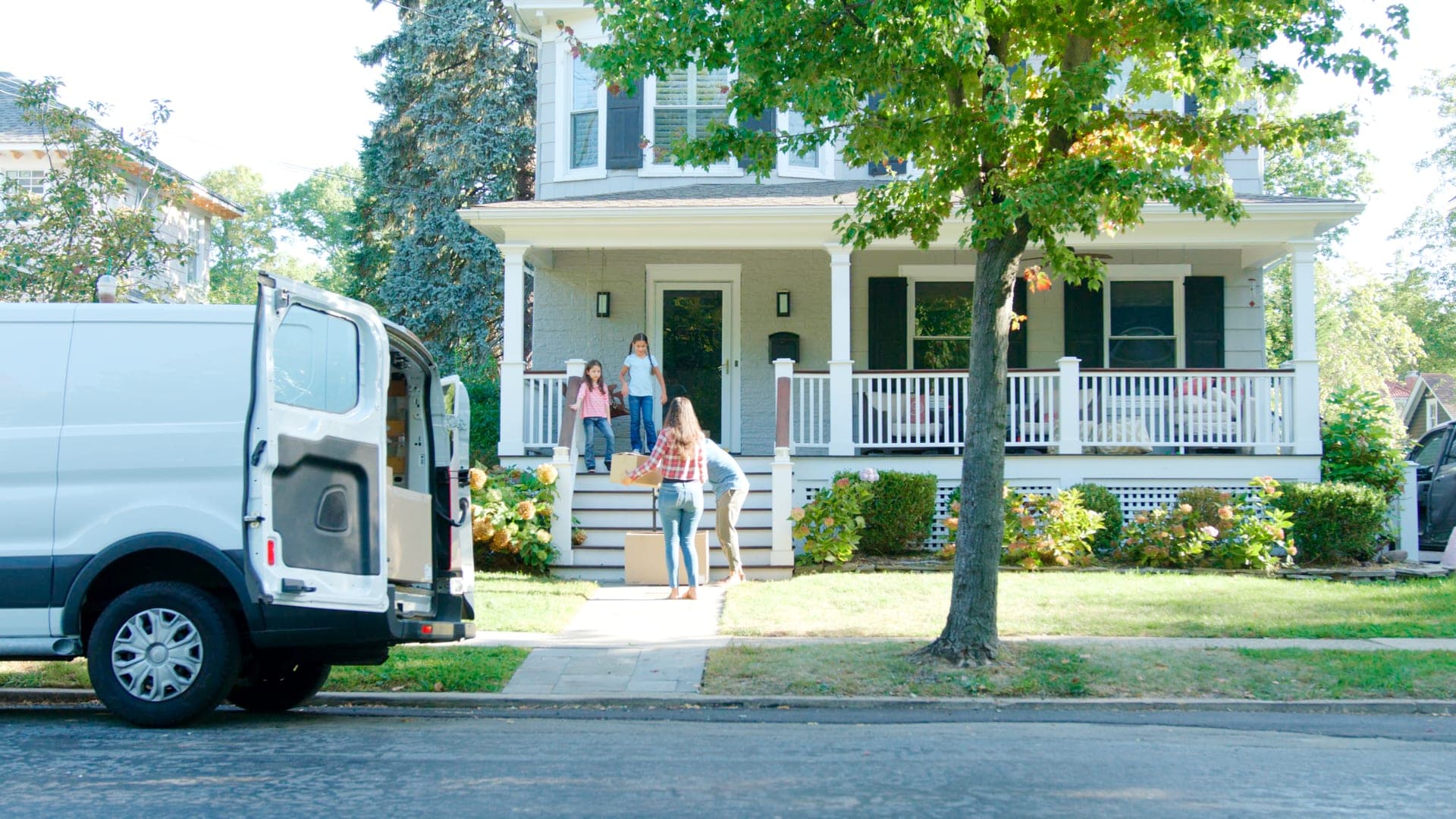
If you are buying or already own a home in the Capital Region, understanding homeowners insurance in Upstate NY is one of those quiet details that can save you a lot of money and a lot of stress. A policy is not just a box to check at closing. It decides what happens when a pipe bursts in February, when an ice dam backs water under your shingles, or when a windstorm drops a tree on your roof. The more you understand before you buy, the fewer surprises you face later. Sharon Fronk walks her buyers through these basics so the coverage they choose actually fits the house they are buying.
What a standard homeowners policy covers and excludes
Most homes in New York are insured under what the industry calls an HO-3 policy. In plain terms, it covers your dwelling against a broad range of physical losses unless the policy specifically excludes them, and it covers your belongings against a named list of risks such as fire, theft, and certain kinds of water damage. A standard package also typically includes liability protection and limited medical payments if someone is hurt on your property.
Just as important is what a standard policy does not cover. Floods are excluded. So are earthquakes, normal wear and tear, and damage from neglected maintenance. The New York Department of Financial Services is clear that flood damage is generally excluded from homeowners policies, which is why so many owners are caught off guard after a heavy rain event. Read the declarations page and the list of excluded perils carefully, and ask your agent to explain anything that is unclear.
Why flood insurance is separate
This trips up a lot of people, so it is worth stating plainly: flood is its own policy. Coverage for rising water, overflowing rivers, and storm runoff is generally available through the National Flood Insurance Program, which is managed by FEMA and sold through participating insurers. Even if your home is not in a mapped high-risk flood zone, you can usually still buy a policy, and some of the worst losses happen outside the high-risk maps. The federal flood program runs on a congressional authorization that gets renewed periodically, so availability and rules can shift. Check current details with FEMA, a participating lender, or a licensed insurance agent before you rely on it.
Upstate-specific risks that affect coverage and cost
Winters here put real stress on a house, and insurers know it. The risks that show up most often in our region include the following.
- Frozen and burst pipes. These claims are common and expensive. A burst pipe is generally covered, but only if you took reasonable steps to prevent it, such as keeping the heat on while you travel.
- Ice dams. Water and roof damage caused by an ice dam is generally covered, though you will still owe your deductible. Good attic insulation and ventilation reduce the chance of one forming.
- Wind and winter storms. Heavy snow load and downed limbs drive a steady share of cold-season claims across the Capital Region.
- Older housing stock. Many homes around Albany, Troy, Schenectady, and Saratoga are decades old, and rebuilding to current code with modern materials can cost more, which insurers factor into the premium.
- Wood stoves. A wood stove will not automatically disqualify you, but most carriers want proof it was professionally installed, and many will not let it be your only heat source.
- Oil tanks. New York does not require homeowners policies to cover oil contamination, and gradual leaks are usually excluded. The property owner is treated as the responsible party for cleanup, so ask about a tank endorsement, especially with an older or buried tank.
- Roof age. Many insurers ask for an inspection on roofs around twenty years or older and may decline to renew without one.
How your premium is set
Insurers weigh a long list of factors when they price a policy. The age and condition of the home, its location, the construction materials, the heating system, safety features like alarms and updated wiring, your coverage limits, your deductible, and your claims history all play a part. Two things are worth knowing. First, a higher deductible usually lowers your premium, but only choose an amount you could actually pay out of pocket after a loss. Second, claims history matters, and filing several smaller claims in a few years can push your rate up, so it is often smarter to absorb very small repairs yourself.
Why it pays to shop and bundle
Prices for the same house and the same coverage can vary widely from one company to the next, so comparing at least a few quotes before you buy or renew is genuinely worth the time. Bundling your home and auto policies with one carrier is one of the most common ways New York owners trim the cost, and other discounts may apply for security systems, updated systems, or being claim-free. The New York Department of Financial Services publishes guidance on insurance discounts and savings that is a useful starting point. Exact rates, limits, and discounts change often and depend on your specific home, so confirm the particulars and get real quotes from a licensed insurance agent.
If you are weighing a purchase in Albany, Saratoga, Schenectady, Rensselaer, or one of the surrounding towns, Sharon Fronk is glad to help you think through how a home's age, roof, heating, and location might shape your insurance picture before you make an offer. For current local market figures, see the market reports page on this site. Reach out to Sharon anytime for a no-pressure conversation about your next move.
Enjoyed this article?
Get weekly real estate insights delivered to your inbox.