
Flood Zones in the Capital Region: How to Check and What It Means
How to check a property's FEMA flood zone in the Capital Region, what high-risk and minimal-risk zones mean, and when a mortgage requires flood insurance in Upstate NY.

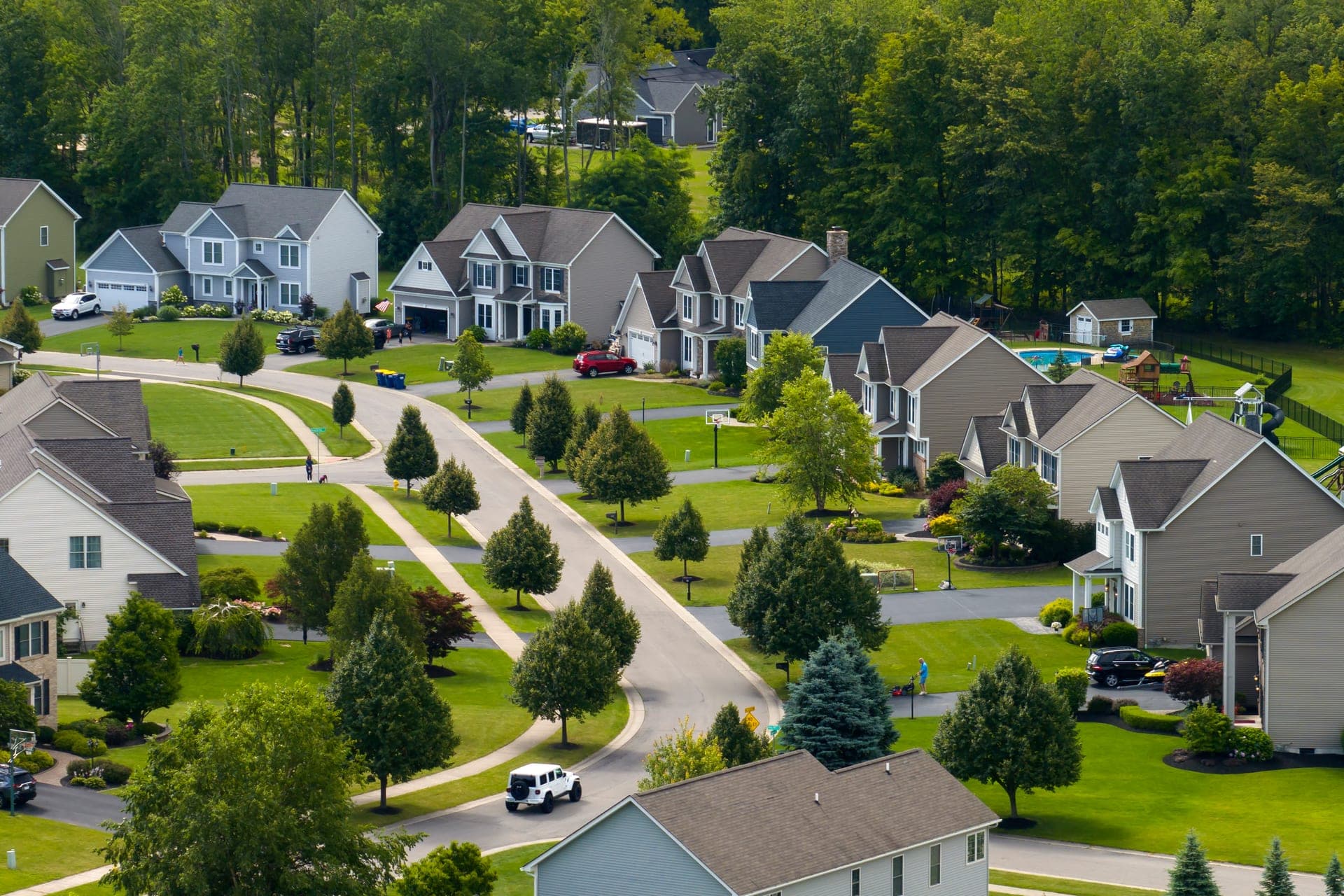
If you are buying or already own a home near the Hudson, the Mohawk, or one of the many creeks that run through the Capital Region, one of the smartest questions you can ask early is simple: what flood zone is this property in? Flood zones in the Capital Region are not a guess or a rumor passed between neighbors. They are mapped by FEMA, they affect whether a lender requires flood insurance, and you can look any address up yourself in a few minutes. Here is how the system works, what the zones actually mean, and how to check a specific property before you fall in love with it.
What a FEMA flood zone is
FEMA, the Federal Emergency Management Agency, publishes Flood Insurance Rate Maps, often shortened to FIRMs. These maps divide land into zones based on how likely it is to flood in a given year. The maps are tied to the National Flood Insurance Program, which is the federal program most flood policies run through.
The key idea to understand is the "1-percent-annual-chance" flood, which you will also hear called the 100-year flood or the base flood. That name confuses a lot of people. It does not mean a flood happens once every hundred years. It means there is roughly a 1 percent chance of that level of flooding in any single year. A home can flood twice in a decade and still sit in a 100-year zone.
High-risk zones versus moderate and minimal risk
FEMA flood maps sort land into a few broad buckets. Here is the plain-language version of what you will see on a map.
- Special Flood Hazard Area: This is the high-risk zone, the area expected to be reached by that 1-percent-annual-chance flood. Inland in the Capital Region, these are usually labeled Zone A (or AE). Zone A means high risk without a detailed base flood elevation calculated, while AE includes that elevation figure.
- Zone V or VE: These are high-risk coastal zones with added wave action. You will see them along the ocean, not on the Hudson or Mohawk, so they rarely apply to Capital Region inland property, but it helps to know what the letter means.
- Zone X, shaded: This is a moderate-risk area, the band between the 1-percent flood and the larger 0.2-percent-annual-chance flood (the 500-year flood). Lower odds, but not zero.
- Zone X, unshaded: This is the minimal-risk area, outside the mapped floodplain. Lower risk does not mean no risk, and that distinction matters more than people expect.
That last point is worth sitting with. A large share of National Flood Insurance Program claims nationally come from properties outside the high-risk zones. Water does not read the map. Heavy rain, a backed-up storm drain, or a swollen creek can put water in a basement well outside a Special Flood Hazard Area.
How to check any property on the FEMA Flood Map Service Center
The official, free tool is the FEMA Flood Map Service Center at msc.fema.gov. To check a property:
- Go to msc.fema.gov and enter the full street address, or the city and ZIP, in the search box.
- Open the effective FIRM or the interactive map for that location.
- Find the property and read its zone designation, and note the base flood elevation if one is shown.
- If the address sits near a zone boundary, look closely, because a single lot can straddle two zones.
One caution: flood maps are updated over time, and a property's mapped zone can change as FEMA revises the data. Because of that, treat any third-party flood report or an old disclosure as a starting point, not the final word. Sharon always points buyers back to the current FEMA map for the exact address rather than relying on a listing's summary.
When a mortgage requires flood insurance
This is where the zone stops being trivia and starts costing money. Under federal law, if a property sits in a high-risk Special Flood Hazard Area and you are getting a federally backed or federally regulated mortgage, the lender will generally require you to carry flood insurance for the life of the loan. That requirement traces back to the Flood Disaster Protection Act and later reforms, and it applies on top of your regular homeowners policy, which does not cover flood damage.
A few things that surprise buyers. Flood insurance pricing no longer comes straight from the zone. FEMA's current approach, fully in place since 2023, prices each property on its own features, such as distance to water, elevation, and the cost to rebuild, rather than the zone label alone. The zone still drives whether the policy is required, but two homes in the same zone can be quoted very differently. Anyone can buy a flood policy, even in a minimal-risk zone, and given how many claims come from outside high-risk areas, that is worth a real conversation with an insurance agent. Exact rates, coverage limits, and program rules change, so confirm the current numbers and requirements with a licensed insurance agent and your lender before you count on anything.
Capital Region flood context
The Capital Region has a long, documented relationship with water. The Hudson River at Albany and the Mohawk River through Schenectady and the surrounding towns have produced serious flooding for well over a century, from the 1913 Easter flood, to the January 1996 event, to the one-two punch of Tropical Storm Irene and Lee in 2011 that hammered the Schoharie Creek watershed and pushed the Mohawk over its banks.
Low-lying land along the Mohawk carries real flood history. Schenectady's Stockade district, parts of Rotterdam and Glenville, and other riverfront and creekside pockets across Albany, Saratoga, and Rensselaer counties have flooded before, including from spring ice jams, not just summer storms. None of this means you should avoid these areas. People live in and love them. It means you check the FEMA map for the exact address, ask about flood history, and price insurance early so there are no surprises at closing. For current local market conditions, see the market reports page on this site at /market-reports.
If you want help reading a flood map for a specific Capital Region property, or you just want to understand what a zone means for your budget before you make an offer, Sharon Fronk is glad to walk through it with you. Reach out through this site for a straightforward, no-pressure conversation, and confirm any insurance, legal, or tax specifics with the appropriate professional.
Enjoyed this article?
Get weekly real estate insights delivered to your inbox.