
Buying a Historic Home in Troy or Albany: What Inspectors Look For
Buying a historic home in Troy or Albany? Here is what inspectors look for in 19th-century rowhouses and brownstones, from knob-and-tube wiring to historic-district rules.

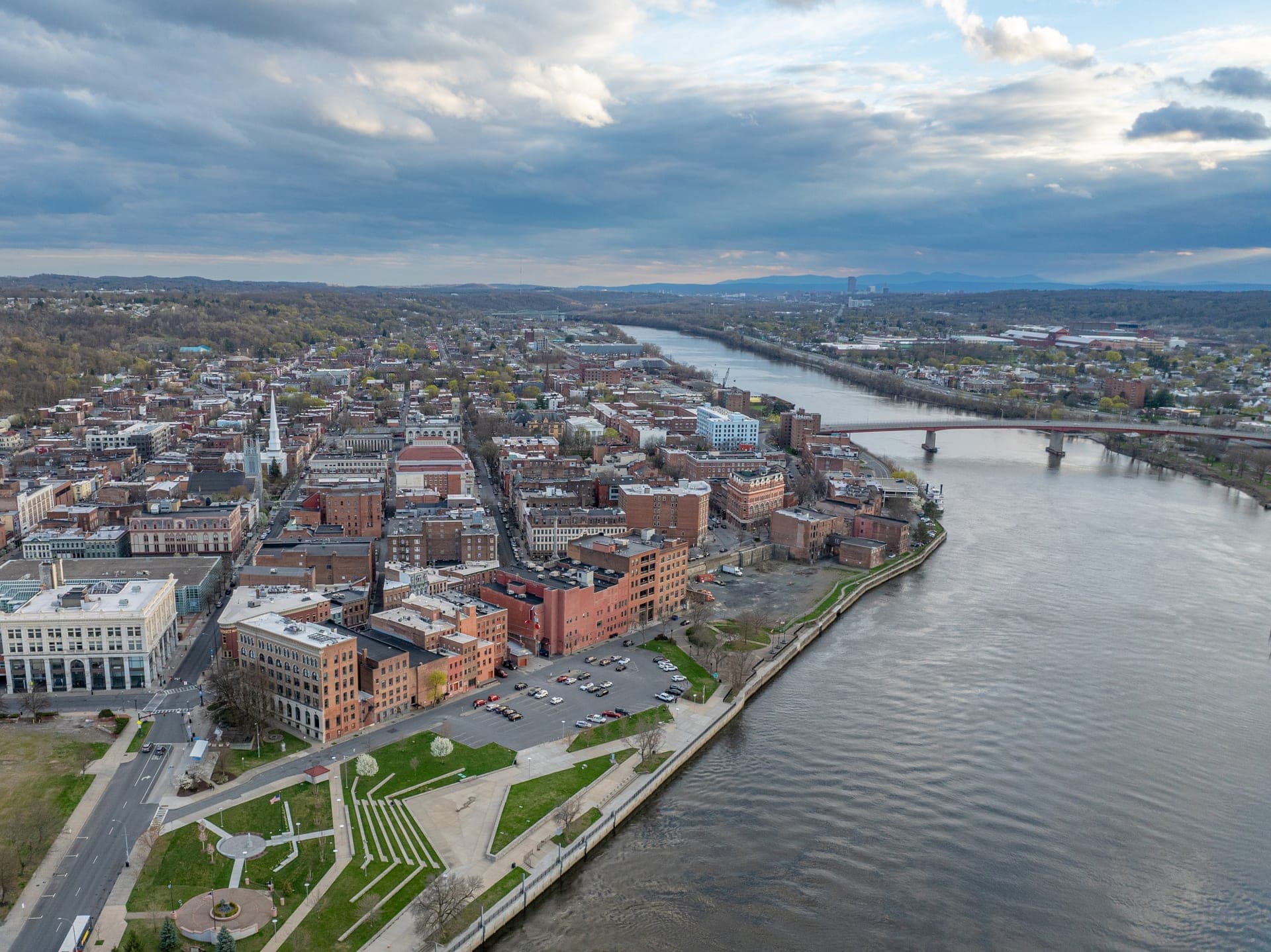
The 19th-century rowhouses, brownstones, and Victorians of Troy and Albany are some of the most distinctive housing stock in the Capital Region. If you are buying a historic home in Troy or Albany, you are buying brick and brownstone facades, tall windows, plaster ceilings, and original detail that newer construction simply does not have. You are also buying systems and materials that were installed long before today's codes, which is why a standard, rushed inspection is not enough. The goal of this post is to explain what an inspector actually looks for in an older Capital Region home, what is normal for the age, and what to budget for, so you can fall in love with the staircase and still buy with your eyes open. Sharon walks her buyers through this before they ever write an offer.
Two practical notes up front. First, hire a home inspector who routinely works on pre-1940 homes. An inspector used to suburban builds may flag everything or miss the things that matter. Second, several of the items below are specialized, and a general inspector will recommend bringing in a licensed specialist for a closer look. That is normal and worth the cost.
Wiring: Knob-And-Tube And Old Panels
Many homes in downtown Troy and in Albany neighborhoods like Center Square were wired with knob-and-tube wiring, a system common from the 1890s into the 1940s. It runs separate hot and neutral wires through ceramic insulators and has no ground conductor. Knob-and-tube is not automatically dangerous if it was installed well and left undisturbed, but it becomes a real problem when it has been spliced into over the decades, buried under added insulation, or overloaded by modern appliances. Inspectors also look at the service panel, fuse boxes, and whether grounded outlets are actually grounded. One more thing to check early: some insurers will not write a policy, or will charge more, on a home with active knob-and-tube. Ask your insurance agent before closing.
Plumbing: Galvanized Pipes And Lead Service Lines
Older Capital Region homes often have galvanized steel supply pipes. These corrode from the inside out, so the symptom a buyer notices is weak water pressure or rust-colored water at the tap. An inspector will run fixtures, check pressure, and look for staining and active leaks. Separate from the pipes inside the house is the service line that connects the home to the public water main. In homes built before the mid-1980s, that line can be lead. New York's Lead Pipe Right to Know Act now requires water systems to inventory service line materials, so your local water department may already have a record of what serves the property. If lead is suspected, a licensed plumber and your water utility can confirm the material and explain replacement options.
Walls, Masonry, And The Foundation
Plaster walls and ceilings are original to most of these homes and are part of their character. Hairline cracks and minor settling are normal for a building this old. What an inspector watches for is plaster that has separated from the lath, bowing, or large cracks that suggest a moving structure rather than age. On the outside, brick and brownstone need sound mortar. Repointing, which is replacing deteriorated mortar joints, is routine maintenance on a masonry rowhouse, but it must be done with the correct soft mortar so it does not damage the historic brick. In the basement, inspectors look at the stone or brick foundation, the condition of the pointing below grade, and any signs of water intrusion. Significant masonry or foundation work can be costly, so it is worth understanding the scope before you commit.
Roof, Heat, And Older Fuel Sources
A slate roof can last for generations when it is maintained, and many original slate roofs are still in service. An inspector checks for slipped, cracked, or missing slates and the condition of the flashing and any flat sections. Slate repair is specialized work, so factor that in. For heat, many of these homes run radiator and boiler systems, which can be reliable and comfortable but are worth having evaluated for age, efficiency, and safety by a licensed HVAC professional. If the home uses or once used heating oil, ask about the tank. A buried fuel oil tank that has been abandoned in the yard is an environmental concern, because corroded tanks can leak and cleanup can be expensive, and some homeowners insurance policies exclude that pollution. The New York State Department of Environmental Conservation publishes a homeowner guide on underground heating oil tanks, and a tank sweep or test can confirm what is on the property. Confirm specifics with an environmental specialist and the relevant New York State office.
Lead Paint, Asbestos, And Original Windows
Homes built before 1978 may contain lead-based paint, and very old homes may have asbestos in old pipe insulation, floor tile, or other materials. These are not reasons to walk away, but they are reasons to know what you are dealing with. In New York, lead paint testing should be done by an EPA-certified inspector, often using XRF equipment, and asbestos sampling should go to a licensed professional. Confirm the specifics with a licensed inspector before you plan any renovation that would disturb those materials. Original wood windows are another point of debate. They can usually be repaired, weatherstripped, and fitted with storm windows rather than replaced, which preserves the look the historic district wants and can perform better than people expect.
How Historic-District Rules Affect Your Plans
Both cities protect their historic neighborhoods, and that affects what you can change on the exterior. Troy's Historic District and Landmarks Review Commission and Albany's Historic Resources Commission require a Certificate of Appropriateness for exterior changes within a local historic district. In practice that can apply to window and door replacement, masonry repair and repointing, siding, and stoop work that is visible from the street. Ordinary maintenance and repairs, like fixing a broken pane or repainting the same color, generally do not need approval. If your plan involves changing the facade, build the review process into your timeline and budget, and confirm the current requirements directly with the city's commission or planning office, because the rules and what triggers review can change.
Budgeting And Buying With Confidence
The healthiest way to approach a historic home is to separate routine age from genuine defects. Old plaster, original windows, a slate roof, and a radiator system are not problems by default. Active leaks, failing masonry, overloaded old wiring, and an unknown buried oil tank are the items that deserve a hard look and a real number before you close. A good inspection report gives you that, and it gives you the basis for an honest conversation with the seller about repairs or price. For current local prices and market conditions, see the market reports on this site rather than relying on a figure from a blog post.
If you are drawn to the brownstones of Troy or the brick rowhouses of Albany and want a clear-eyed read on what you are taking on, reach out to Sharon Fronk for a no-pressure conversation. She knows these neighborhoods and the older housing stock, and she can connect you with inspectors who do this kind of work every week.
Enjoyed this article?
Get weekly real estate insights delivered to your inbox.